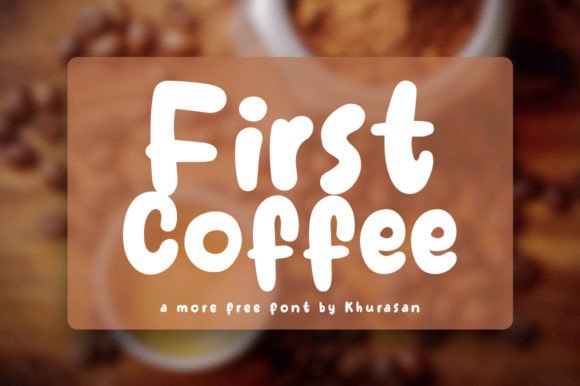
First Coffee Font for Creative Design
As I sat at my desk, surrounded by jars of soy candles and a stack of blank labels, I knew I needed a font that would bring a touch of elegance to my handmade products. That’s when I discovered First Coffee—a modern and fancy display font perfect for posters, logos, magazines, book covers, banners, and many more. Its delicate curves and playful flair made it the ideal choice for my candle labels, adding a stylish yet approachable feel to each product.
First Coffee for Candle Labels and Handmade Packaging
Using First Coffee for candle labels was a game-changer. The font’s soft, rounded edges paired perfectly with the organic shapes of my soy wax candles, creating a cohesive look that felt both professional and personal. Whether I was labeling a lavender-scented jar or a citrus-infused one, the font added a touch of sophistication without overwhelming the design.
When I first tried First Coffee on my packaging, I worried it might be too ornate for simple labels. But the font’s balance of style and readability made it work beautifully. I used it for product tags, shipping labels, and even gift boxes, ensuring that every piece of my shop had a consistent visual identity. It’s one of those fonts that feels right for both casual and formal designs.
First Coffee for Greeting Cards and Seasonal Stationery
I often create custom greeting cards for my Etsy shop, and First Coffee has become my go-to font for titles and headings. Its charming character makes it ideal for birthday cards, thank-you notes, and holiday greetings. I especially love how it looks on small cards—whether I’m printing them at home or sending them off to a print shop.
For seasonal stationery, like farmhouse signs or wedding welcome boards, First Coffee adds a warm, inviting feel. I’ve used it on printable wall art and digital templates, and the font always stands out without being too busy. It’s a great choice for any project that needs a little personality but still needs to be easy to read.
First Coffee for Digital Printables and Shop Branding
As a printable creator, I know how important it is to have a font that looks good in both digital and printed formats. First Coffee works well across platforms, whether I’m designing a printable planner page or a downloadable sign. Its clean lines and decorative elements make it versatile enough for a wide range of uses.
When I started building my shop branding, I wanted a font that could represent my aesthetic without being too flashy. First Coffee fit the bill. I used it for my logo, social media graphics, and website headers, and it helped establish a consistent look that customers recognized. It’s also a great option for small businesses looking to build a strong brand presence without breaking the bank.
First Coffee for Product Tags and Boutique Branding
For my boutique-style shop, where every detail matters, First Coffee has been a reliable partner. I use it for product tags, price stickers, and signage, and it always looks polished. The font’s mix of modern and traditional elements gives it a timeless quality that fits well with both minimalist and rustic themes.
I’ve also used First Coffee on custom mugs and tote bags, where it adds a unique touch to otherwise plain surfaces. Whether I’m printing a name, a quote, or a simple phrase, the font holds up well in different sizes and contexts. It’s one of those fonts that can be both bold and subtle, depending on how you use it.
First Coffee for Wedding Invitations and Elegant Branding
One of my favorite projects using First Coffee was a set of wedding invitations. The font’s elegant curves and refined look gave the invitations a luxurious feel, while still being easy to read. I paired it with a clean sans serif font for the details, which created a nice contrast and kept the design from feeling too crowded.
For other elegant branding projects, such as business cards or event flyers, First Coffee adds a touch of class without being overly complicated. It’s perfect for any design that needs to convey a sense of sophistication, whether it’s for a small business or a personal project.
First Coffee for Stickers and Printable Wall Art
I’ve experimented with First Coffee on sticker sheets and printable wall art, and it’s worked really well. The font’s structure allows it to scale down nicely, making it suitable for small stickers or large banners. I’ve used it on seasonal tags, birthday cards, and even as a background element in digital artwork.
When I’m designing printable wall art, I often use First Coffee for the main text, pairing it with simpler fonts for the supporting details. This creates a layered effect that feels dynamic without being confusing. It’s also a great font for any project that needs a bit of flair but still needs to be legible at a glance.
First Coffee for Shop Listings and Product Mockups
Creating product mockups for my shop listings has always been a challenge, but First Coffee has made it easier. I use it for preview images, listing titles, and product descriptions, and it consistently looks professional. The font’s versatility means I don’t have to switch between multiple typefaces just to get the right look.
When I’m preparing mockups for my digital downloads, I make sure to test First Coffee in different sizes and formats. It works well for everything from small text to large headings, and its readability is impressive even when used in smaller sizes. This makes it a great choice for anyone who wants to create high-quality, visually appealing shop listings.
First Coffee for Cricut and Silhouette Projects
For crafters who use Cricut or Silhouette machines, First Coffee has been a valuable addition to my design toolkit. The font’s clean lines and open spaces make it ideal for cutting, whether I’m making custom signs, labels, or decorative elements. I’ve used it on vinyl decals, paper cutouts, and even fabric tags, and it always turns out beautifully.
When working with cutting machines, I always check the font’s compatibility and ensure that it doesn’t have any tricky ligatures or swashes that might cause issues. First Coffee handles this well, making it a reliable choice for any maker who wants to incorporate typography into their physical projects.