Sallafi Font for Creative Design
There I was, late one evening, working on a custom candle label for a client who wanted something that felt both modern and rooted in tradition. I had tried several fonts, but none seemed to capture the balance of elegance and character that I was looking for. That’s when I decided to give Sallafi a try. As a display font with an Arabic-inspired flair, it brought a new dimension to my design work, transforming simple labels into something truly memorable.
Sallafi for Handmade Candle Labels and Boutique Packaging
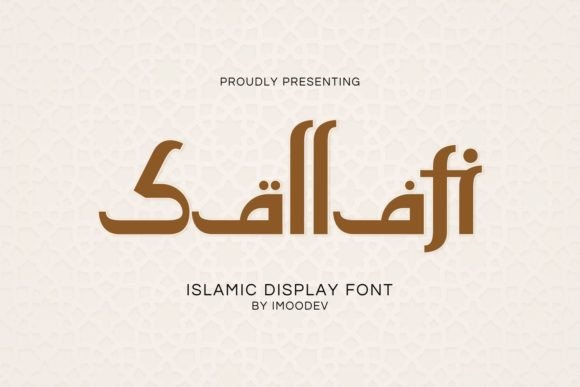
Sallafi is a stylish and elegant Arabic-style display font that instantly elevates any handmade product. When I used it on a candle label, the result was striking—each letter seemed to carry a sense of grace and sophistication. The subtle flourishes and unique curves added visual interest without overwhelming the design. For boutique packaging, Sallafi made a bold statement, giving products a refined look that stood out on shelves or in online listings.
When working with small labels or tags, I found that Sallafi maintained its clarity and charm even at smaller sizes. It’s perfect for adding a touch of class to handmade soaps, candles, or artisanal goods. However, I would advise against using it for very tiny text or dense information, as the decorative elements can become hard to read.
How Sallafi Enhances Brand Identity and Emotional Appeal
Using Sallafi on product packaging or labels helped reinforce a consistent brand aesthetic. It gave my designs a cohesive feel, making it easier for customers to recognize and connect with my work. The font’s personality added an emotional layer to each item, evoking a sense of craftsmanship and care that resonates with handmade buyers.
For a small shop owner, this kind of visual consistency is invaluable. Whether it's a greeting card, a printable wall art, or a seasonal ornament, Sallafi brings a level of sophistication that makes products feel more special and intentional.
Sallafi for Digital Printables and Printable Wall Art
I also tested Sallafi on a set of digital printables, including printable wall art and planner pages. The font worked beautifully in these formats, adding a touch of elegance that elevated the overall design. For printable wall art, Sallafi’s style created a focal point that drew the eye and added a sense of refinement to the space.
When paired with a clean sans serif font, Sallafi provided a nice contrast, allowing the decorative elements to shine without clashing. This pairing was especially effective for digital templates, where clarity and visual balance are key.
Realistic Use Cases: Wedding Invitations and Farmhouse Signs
One of the most rewarding uses of Sallafi came when I applied it to a wedding invitation mockup. The font’s ornate details and flowing lines gave the design a timeless quality, making it feel both classic and contemporary. It worked well for titles, names, and decorative wording, offering a unique alternative to more traditional serif fonts.
I also used Sallafi on a farmhouse sign design, where it added a rustic yet refined touch. The font’s structure allowed it to stand out while still fitting seamlessly into the overall aesthetic. For signs, stickers, or other printed materials, Sallafi delivers a strong visual impact without sacrificing readability.
Sallafi for Merchandise and Apparel Design
Testing Sallafi on a tote bag design revealed how versatile it could be. The font looked great on fabric, whether used for a name tag, a slogan, or a decorative element. It added a sense of luxury that made the design feel more premium, which is essential when selling merchandise like t-shirts, mugs, or bags.
For apparel, Sallafi works best on short phrases or names. It’s not ideal for long sentences or detailed text, but as a logo or title font, it adds a distinctive flair that sets the design apart. When used in conjunction with a simpler typeface, it creates a balanced and professional look that appeals to a wide audience.
Considerations for Cutting Machines and Small Stickers
When using Sallafi with cutting machines like Cricut or Silhouette, I noticed that the font’s intricate details required careful attention. While it worked well for larger designs, very small text or complex shapes might not cut as cleanly. For stickers or small labels, I recommend testing the font at different sizes to ensure it remains legible and sharp.
It’s also important to check the font’s file formats and licensing before using it for commercial purposes. Sallafi should come with the necessary rights for use on merchandise, digital downloads, or printables, but verifying this ahead of time can prevent any potential issues down the line.